Brenda Lovhaug | November 18, 2026
November 18, 2026
Early childhood represents a critical window of human growth where cognitive wiring, physical vitality, and social understanding take root rapidly. Modern families frequently look toward professional environments to enrich these foundational years, recognizing that early experiences sculpt lifelong capabilities and emotional resilience. Navigating early educational choices allows caregivers to supply dependable structure, creative exploration, and expert mentorship during pivotal formative phases. High-quality early childhood environments provide dynamic spaces specifically arranged to support emerging developmental milestones safely. Choosing licensed child care centers ensures young learners gain valuable exposure to structured routines, diverse peer interactions, and trained mentors who champion their evolving needs every single day.
Nurturing Social Intelligence and Empathy Through Play
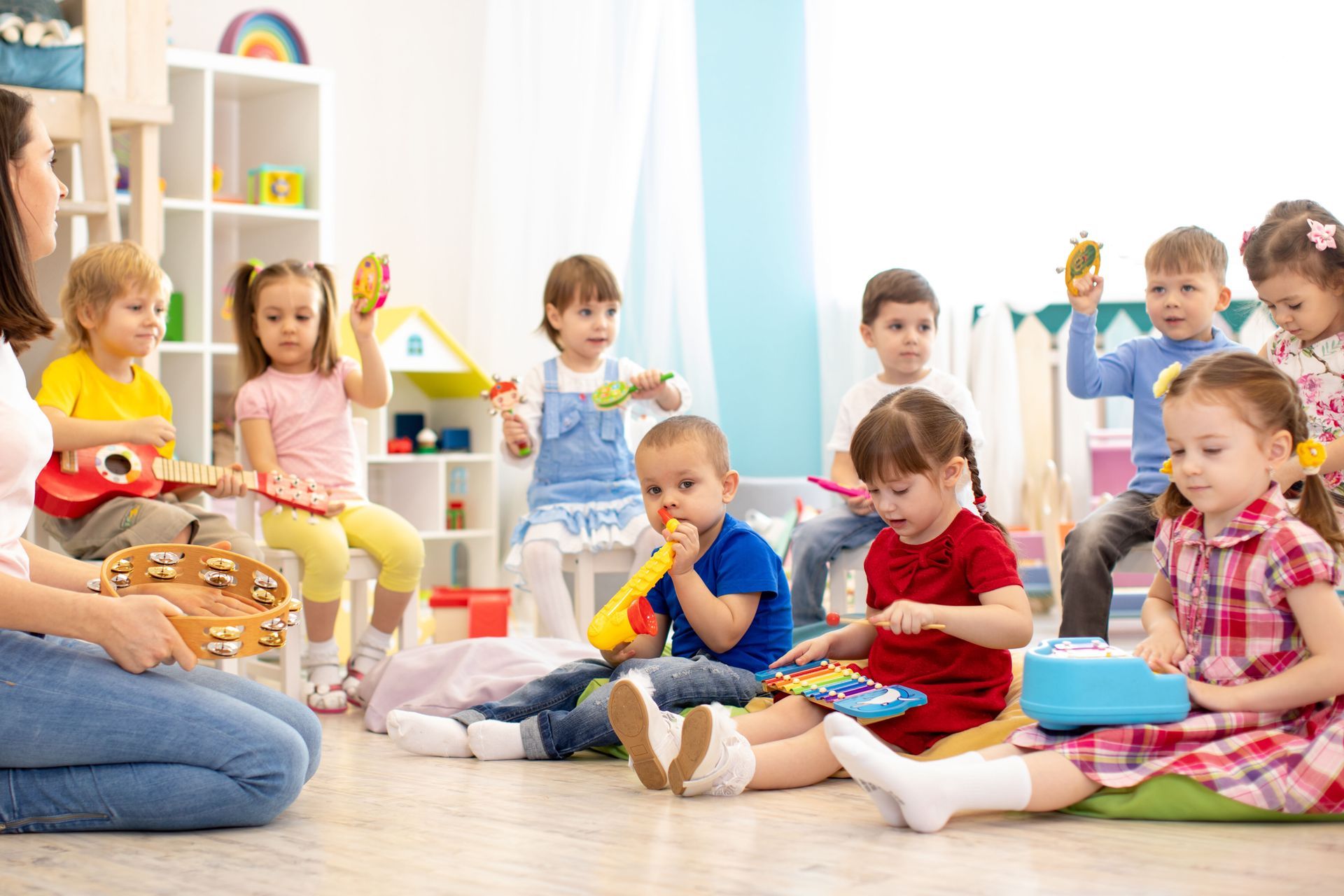
Cooperative interactions teach children how to share resources, interpret facial cues, and express empathy when peer disputes arise naturally during activities. Group dynamics encourage collaborative play, showing toddlers how to navigate compromises, respect personal boundaries, and build meaningful companionship with diverse peers. Early educators guide these daily interactions with gentle coaching, helping children articulate frustrations verbally rather than through reactive behavioral outbursts. Practicing social reciprocity inside dedicated classrooms helps young individuals recognize collective feelings, cultivate patience, and forge authentic connections. These formative experiences build lasting emotional competence, making child care centers vital spaces for developing cooperative skills that persist into adulthood.
Stimulating Cognitive Growth Through Structured Activities
Carefully sequenced instructional exercises stimulate curiosity, encouraging young minds to classify objects, recognize patterns, and solve multifaceted sensory puzzles. Daily schedules integrate numeracy games, science discoveries, and guided group discussions designed to expand mental flexibility and deductive logic steadily. Qualified educators introduce interactive problem-solving tasks that motivate students to explore cause-and-effect relationships within safe, controlled learning environments. Immersive educational materials spark active reasoning, strengthening foundational memory networks and conceptual thinking through deliberate, joyful inquiry. Structured classrooms within child care centers help children absorb complex academic basics effortlessly, allowing child care centers to cultivate intellectual self-assurance and an enduring enthusiasm for acquiring deeper knowledge.
Enhancing Language Acquisition and Verbal Expression
Immersion in language-rich surroundings accelerates vocabulary expansion, syntactic comprehension, and phonetic awareness among developing toddlers and preschool learners. Educators read vibrant picture books aloud daily, encouraging children to predict narrative outcomes, identify rhyming sounds, and discuss diverse character motivations. Group conversation circles offer timid speakers supportive opportunities to express personal observations, describe imaginative scenarios, and ask curious questions confidently. Interactive storytelling sessions, accompanied by melodic rhymes and theatrical role-play, transform abstract linguistic concepts into engaging conversational habits. Constant conversational exposure within child care centers sharpens receptive and expressive communication abilities, equipping young learners to articulate intricate thoughts clearly.
Promoting Physical Well-Being Through Energetic Movement
Daily physical exertion builds vital cardiovascular health, muscular strength, and spatial coordination through structured indoor activities and spirited outdoor recess. Specially designed playgrounds allow children to run, climb, swing, and balance under watchful supervision, mastering complex gross motor capabilities naturally. Indoors, fine motor refinement occurs as youngsters manipulate modeling clay, string wooden beads, cut construction paper, and grip jumbo drawing utensils. Nutritious snack schedules and guided handwashing routines teach essential personal hygiene habits, helping youngsters respect their physical needs. By promoting wholesome movement alongside hygienic practices, child care centers cultivate resilient bodies alongside vibrant, active physical wellness.
Establishing Consistent Daily Routines and Predictability
Structured timetables offer young learners comforting predictability, helping them anticipate transitions between vigorous group learning, outdoor recreation, and tranquil nap periods. Understanding what activity comes next reduces emotional stress, giving children a grounded sense of security that promotes behavioral self-regulation. Experienced educators guide smooth transitions through melodic songs, visual schedules, and gentle prompts that make shifting tasks feel completely natural. Regularity in resting, eating, and playing stabilizes biological rhythms, reducing overtired meltdowns and cultivating focused attention spans throughout morning exercises. Learning to navigate organized schedules prepares children for formal kindergarten environments while instilling lifelong personal time management skills.
Fostering Creativity and Problem-Solving Through Arts
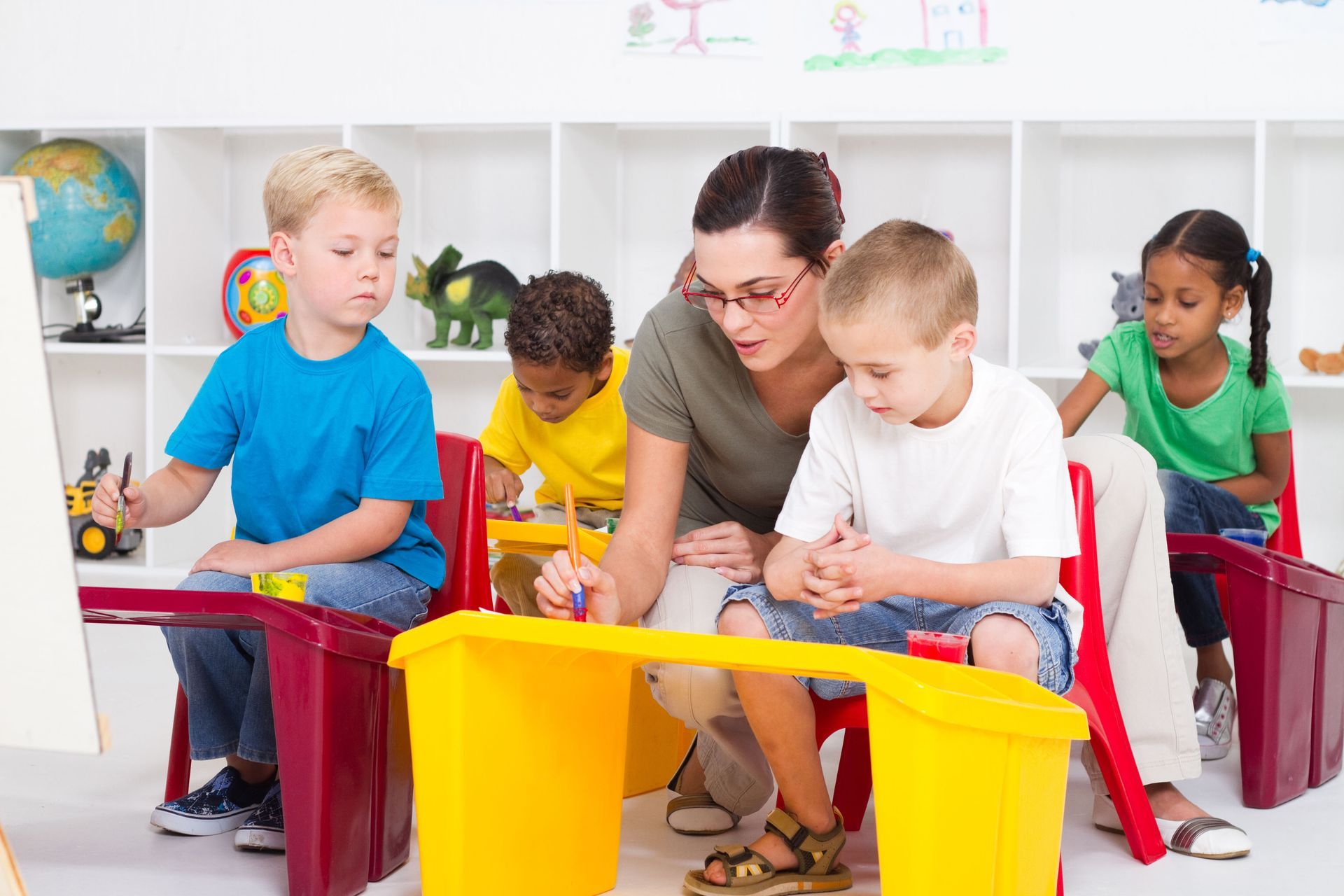
Open-ended artistic exploration encourages young minds to transform ordinary materials into imaginative representations of their internal thoughts and observations. Classrooms stocked with vibrant tempera paints, tactile clays, acoustic instruments, and assorted collage supplies invite children to experiment without fearing mistakes. Early childhood instructors value personal creative expression over rigid aesthetic conformity, celebrating unique artistic interpretations and unconventional building techniques. Constructing cardboard sculptures or staging whimsical dramatic plays exercises divergent thinking, prompting children to invent inventive solutions when components collapse unexpectedly. Creative freedom nurtures persistent innovation, empowering curious learners to view complex challenges through flexible, highly inventive lenses.
Supporting Family Harmony and Parental Presence
Quality educational care benefits the entire domestic ecosystem, reducing caregiver fatigue while offering reliable daily schedules that support family life. When parents maintain complete confidence in daily classroom supervision, workplace productivity rises, and lingering domestic anxiety dissipates considerably during business hours. According to Business Wire, 75% of parents stated that consistent, high-quality childcare would allow them to be more present as a parent when they’re with their kids. Returning home feeling unburdened allows mothers and fathers to engage in deeply attentive, relaxed conversations with their little ones each evening. Dependable daytime support thus restores emotional balance within homes, enriching precious family hours after busy workdays conclude.
Cultivating Emotional Regulation and Self-Awareness
Learning to identify, process, and regulate intense emotional reactions is a fundamental developmental milestone accomplished through attentive instructional guidance. Classrooms feature tranquil sensory corners where overwhelmed students can retreat, practice rhythmic deep breathing, and regain personal equilibrium safely. Early childhood professionals validate emotional distress respectfully, teaching children to name feelings like anger, disappointment, or nervousness without shame. Through guided role-playing and calm debriefings, youngsters discover productive coping mechanisms that replace disruptive behaviors with constructive self-soothing strategies. Mastering emotional control provides young minds with internal poise, preparing them to confront challenging social hurdles with confident mental balance.
Encouraging Early Independence and Self-Reliance
Daily classroom expectations inspire young children to master essential self-help skills, from hanging personal backpacks to serving snacks and clearing trays. Teachers design child-accessible environments with low storage cubbies, child-sized sinks, and clearly labeled storage bins that promote autonomous navigation. Completing practical life tasks unaided generates immense personal pride, motivating toddlers to attempt challenging physical feats without immediate adult rescue. Children discover that personal effort yields tangible success, reinforcing internal grit and reducing learned helplessness during tricky developmental tasks. Developing self-reliance early instills sturdy confidence, ensuring curious youngsters approach unfamiliar environments with adventurous autonomy and self-directed determination.
Developing Early Literacy Through Storytelling and Print
Surrounding children with rich print environments sparks immediate fascination with written words, basic letterforms, and fundamental communication structures. Labeled classroom fixtures, personalized sign-in charts, and cozy reading nooks demonstrate that written symbols convey vital information and captivating stories. Instructors track text with fingers during read-alongs, showing emerging readers that letters flow consistently from left to right across pages. Phonemic awareness games, alphabet bingo, and sensory tracing inside sand trays make learning written language a playful physical experience. Cultivating early phonological insights transforms rudimentary reading curiosity into enthusiastic literacy, preparing fertile ground for advanced academic accomplishments later.
Celebrating Diversity and Broadening Global Perspectives
Inclusive early childhood classrooms expose young learners to a colorful tapestry of cultural traditions, diverse languages, and unique family backgrounds. Multicultural literature, authentic world music, and diverse culinary experiences broaden young horizons, fostering deep appreciation for differing human lifestyles naturally. Instructors encourage students to share personal heritage stories, creating an atmosphere of mutual curiosity where every cultural legacy feels welcomed. Children observe that while individuals possess unique customs, physical characteristics, and celebratory traditions, common human emotions unite everyone universally. Embracing inclusive community ideals early diminishes subconscious prejudices, nurturing compassionate citizens who treat societal differences with profound respect and open-minded acceptance.
Early childhood education lays a comprehensive framework that supports cognitive capability, physical resilience, social harmony, and profound emotional balance. By engaging young learners in structured play, artistic expression, language discovery, and collaborative routines, dedicated educators unlock limitless personal potential. Reliable child care centers provide dynamic environments where children thrive intellectually while granting parents essential peace of mind during demanding workdays. Investing in early developmental enrichment ensures children flourish holistically, creating an enduring launchpad for sustained academic success, personal joy, and meaningful lifelong achievement.
Are you seeking a reliable and caring child care center for your child in Golden Valley, MN, and the surrounding areas? At Loving Shepherd Early Learning Center, we take pride in caring for your children and watching them learn and grow! Contact us today to request a tour of our facilities.